Machine Name
cat
Zoomed product photo

Tonkinese

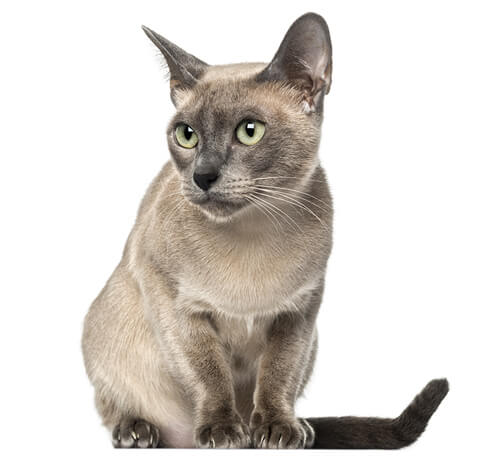
The colourful personality of the Tonkinese is one of the breed’s greatest attributes. Muscular and active, with a sense of humor, this feline enjoys playing, climbing and whizzing by at warp speed. With her warm, loving personality, the Tonk craves human attention and shouldn’t be left alone for long periods. This is a lap cat that prefers playmates, including children, other cats and cat friendly dogs.

DID YOU KNOW? The Tonkinese, like her ancestral breeds, the Burmese and Siamese, becomes darker as she ages. A pointed Tonkinese is born white, with the point colours beginning to develop when kittens are a few days old. They do not develop their full, rich colours for several years

The need-to-know

  • Highly active and inquisitive cat
  • Sociable and dependent cat
  • Somehow talkative cat
  • Average build cat breed
  • Requires grooming once a week
  • Outdoor cat
  • Great family cat
Living Considerations
 Good in multi-pet households, not hypoallergenic
Size
Medium, with males weighing 3.5 to 5 kilograms and females weighing 3 to 4 kilograms
Coat
 Medium-short fine, silly
Temperament
 Affectionate, outgoing, active
Grooming
 Rarely/Never
Shedding
Yes
Vocalisation
Loud, purrs and talks in a soft voice when shown affection
Personality

The Tonkinese cat breed has the same affectionate, friendly nature, as its close relatives the Burmese and Siamese. These cats are very people-orientated and make ideal family pets – they are said to be very inquisitive and intelligent. They can be trained to do tricks and require toys and games for amusement. They love company and if they are to be left alone for long periods of time a companion is a necessity. They are quite vocal and will chatter happily to you and follow you around.

History and Origins

Country of Origin: USA

Other Names: : Golden Siamese

The Tonkinese cat breed is the result of crossing a Siamese cat with a Burmese cat and, therefore, displays characteristics from both breeds. Mostly ignored when they were first developed as 'Golden Siamese' cat in America 1950s, it was not until the 1960s when they reappeared as Tonkinese that their popularity grew.

Nutrition and Feeding

Every cat is unique and each has their own particular likes, dislikes, and needs when it comes to food. However, cats are carnivores and every cat must obtain 41 different and specific nutrients from their food. The proportion of these nutrients will vary depending on age, lifestyle and overall health, so it's not surprising that a growing, energetic kitten needs a different balance of nutrients in her diet than a less active senior cat. Other considerations to bear in mind are feeding the right quantity of food to maintain 'ideal body condition' in accordance with feeding guidelines and catering to individual preference regarding wet or dry food recipes.

Other Information

Health and common issues

Currently there are no specific inherited problems reported with the Tonkinese cat breed. As with all cats, Tonkinese cats benefit from protection against disease through vaccination and need regular parasite control and annual veterinary health checks.

Best cat breeds for children

While this breed is not widely recognised as one of the best breeds for children, all cats are different and with the proper familiarisation may still be able to live with children.

Zoomed product photo

Tiffanie

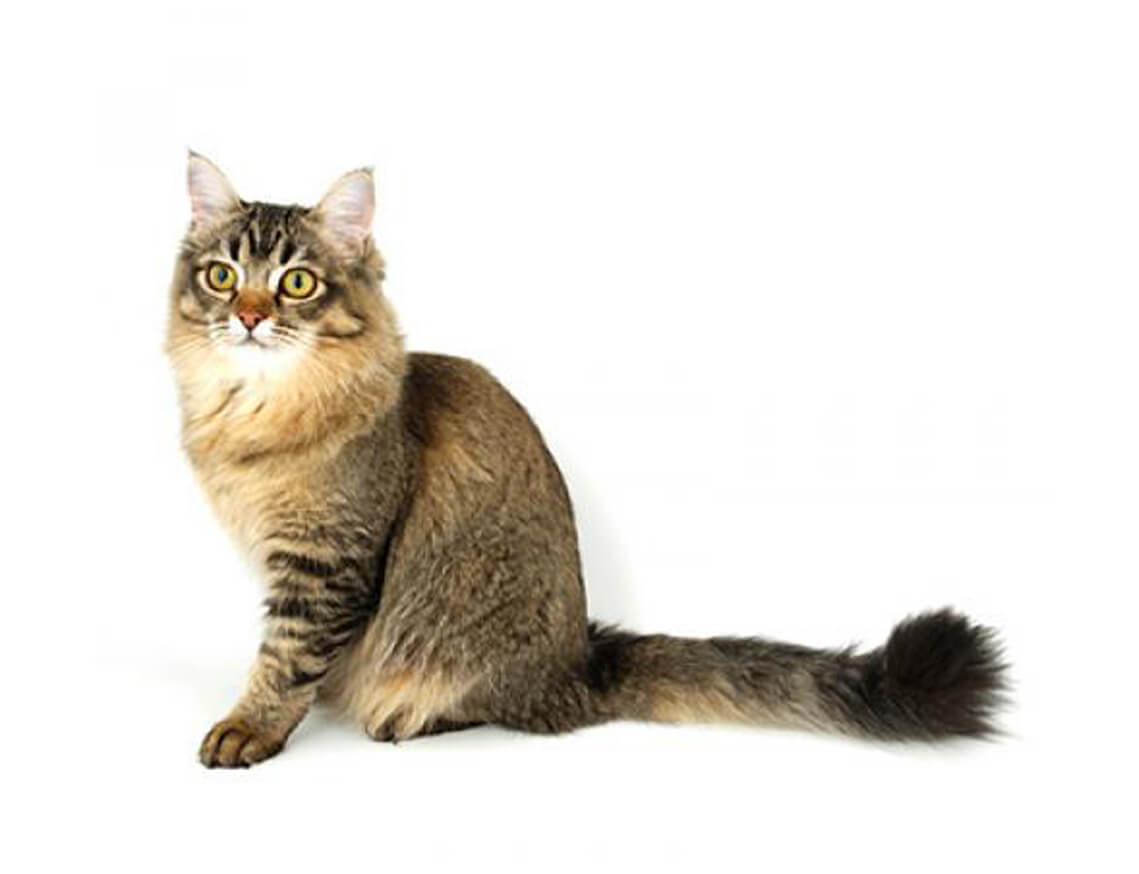
The Tiffanie cat is built like the Burmese, but with a longer coat. The head forms a short wedge shape, with large to medium ears. The long tail is plumed. The eyes are set well apart and are neither almond-shaped nor roundand can be any colour from yellow through to green. The body is firm and muscular with a strong straight back.

The need-to-know

  • Playful and curious cat
  • Sociable and dependent cat
  • Somehow talkative cat
  • Average build cat breed
  • Requires grooming every day
  • Needs some out-door space
  • Great family cat
Personality

The Tiffanie cat is friendly and affectionate. This breed loves attention and needs to be part of the family. Tiffanie cats can be quite demanding and often follow their owners around the house crying for attention. The Asian group of cats seems to be intelligent and can often work out such problems as how to open doors. If spoken to they often appear to understand and answer. They can be very sensitive to their owner's feelings and this makes them excellent companions.

History and Origins

Country of Origin: Britain The Tiffanie cat is the only semi-longhaired member of the Asian group. Apart from the Burmilla, which was the product of an accidental mating between a male chinchilla and a lilac female Burmese, the cats of the Asian Group were brought about by breeders attempting to create cats of Burmese type, but in colours not recognised in Burmese cats. During the course of the Asian breeding programme, some litters contained kittens with longer coats, and these cats were used to produce this attractive new breed.

Nutrition and Feeding

Every cat is unique and each has their own particular likes, dislikes, and needs when it comes to food. However, cats are carnivores and every cat must obtain 41 different and specific nutrients from their food. The proportion of these nutrients will vary depending on age, lifestyle and overall health, so it's not surprising that a growing, energetic kitten needs a different balance of nutrients in her diet than a less active senior cat. Other considerations to bear in mind are feeding the right quantity of food to maintain 'ideal body condition' in accordance with feeding guidelines and catering to individual preference regarding wet or dry food recipes.

Other Information

Health and common issues

There are no specific conditions relating to the Tiffanie cat breed in veterinary literature. As with all cats, Asian cats benefit from protection against disease through vaccination and need regular parasite control and annual veterinary health checks.

Best cat breeds for children

While this breed is not widely recognised as one of the best breeds for children, all cats are different and with the proper familiarisation may still be able to live with children.

Zoomed product photo

Sphynx

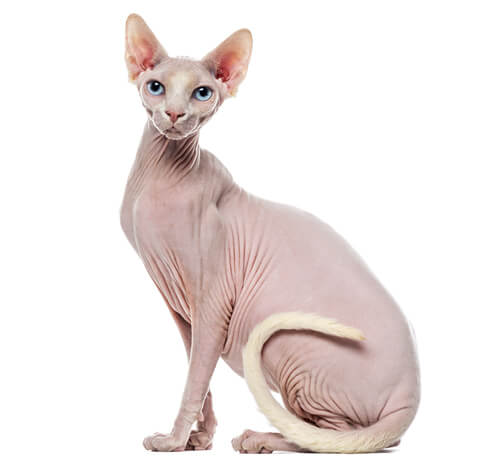
The Sphynx cat, recognized for its hairless appearance and unique charm, has gained popularity among pet owners in Malaysia. Known as the hairless cat Sphynx, this breed is characterized by its wrinkled skin, large ears, and striking eyes. Despite their lack of fur, Sphynx cats are known for their warm and affectionate personalities, making them ideal companions for families and individuals alike.  

Sphynx cats are often described as "dog-like" in their behavior; they enjoy following their owners around and seek attention and companionship. Their unique appearance requires special care, including regular bathing to remove excess oils from their skin. With proper care, Sphynx cats can live up to 15 years or more, providing joy and companionship to their owners throughout their lives.

DID YOU KNOW? Though mostly a hairless breed, some Sphynx have a fine down on their body. Despite being hairless, the Sphynx requires weekly sponge baths to remove sebaceous oils from their skin, as they do not have hair to absorb the oils like most cats. If the oils are not wiped down, these cats could feel sticky to the touch and could develop skin problems.

The need-to-know

  • Highly active and inquisitive cat
  • Sociable and dependent cat
  • Very talkative cat
  • Lean and elegant cat breed
  • Requires grooming once a week
  • Hypoallergenic breed
  • Indoor cat
  • May require familiarisation before living with children
Living Considerations
 Good in multi-pet households, not hypoallergenic
Size
Medium to large, with males weighing 4.5 to 7 kilograms and females weighing 3 to 5.5 kilograms
Coat
Hairless, though some have a fine down
Temperament
 Loyal, inquisitive, lively
Grooming
 Rarely/Never
Shedding
 No
Vocalisation
Loud
Personality

Sphynx cats are known for their friendly and outgoing personalities. They are affectionate and thrive on human interaction, often forming strong bonds with their owners. Their playful nature makes them great companions, and they typically get along well with children and other pets.

History and Origins

Country of Origin: Canada

Other Names: : Canadian Hairless Cat

The Sphynx breed originated in Canada in the late 1960s when a hairless kitten was born to a domestic cat. Breeders began developing the breed by crossing the hairless kittens with other breeds, leading to the recognition of the Sphynx as a distinct breed. Their unique appearance and affectionate nature have contributed to their growing popularity worldwide.

Nutrition and Feeding

A balanced diet is essential for Sphynx cats to maintain their health. High-quality cat food that meets their nutritional needs is recommended. Owners should consult with veterinarians to determine the best feeding regimen based on their age, weight, and activity level.

Exercise

While Sphynx cats are generally active and playful, they require regular exercise to stay healthy. Engaging them in interactive play sessions with toys can help keep them active and mentally stimulated. Providing climbing structures can also encourage physical activity.

Other Information

Regular veterinary check-ups are crucial for Sphynx cats to monitor their health and catch any potential issues early. Due to their lack of fur, they are more susceptible to temperature changes and sunburn, so owners should provide a comfortable environment and avoid direct sunlight. Grooming needs include regular skin cleaning and occasional bathing to maintain their skin health.

Zoomed product photo

Somali

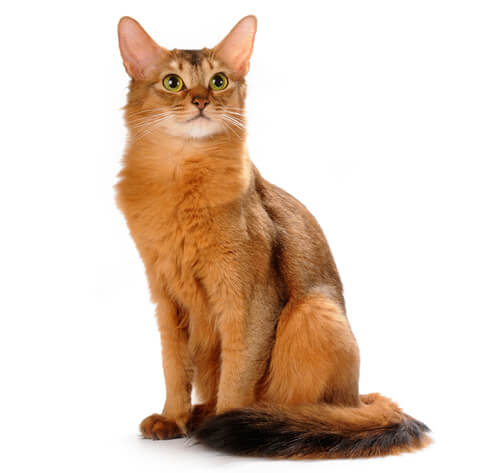
Strikingly beautiful, the Somali looks like a small wild fox with her full bushy tail and britches, large ears and dramatically ticked coat. This highly intelligent feline is known to open cupboards and fetch toys. The Somali loves attention and affection. The breed also is known for loving to play and having a zest for life. Highly adaptable, the Somali adjusts easily to new people and situations.

DID YOU KNOW? Contrary to popular belief, the Somali did not originate in Somalia. Rather, the breed is essentially a longhaired Abyssinian that resulted from a recessive gene. Originally, Abyssinian breeders were not happy when these longhaired kittens showed up in litters. It is believed the Somali resulted when longhaired cats were used by British Abyssinian breeders following World War II to repopulate the breed or possibly were due to a mutation.

The need-to-know

  • Highly active and inquisitive cat
  • Friendly but independent cat
  • Very talkative cat
  • Average build cat breed
  • Requires grooming once a week
  • Outdoor cat
  • May require familiarisation before living with children
Living Considerations
 Good in multi-pet households, not hypoallergenic
Size
Medium to large, with males weighing 4.5 to 5.5 kilograms and females weighing 3 to 4.5 kilograms
Coat
 Medium, fine, soft
Temperament
 Mischievous, tenacious, intelligent, affectionate
Grooming
 Weekly
Shedding
Yes
Vocalisation
Quiet, may softly chirp
Personality

Somali cats are highly intelligent. The Somali breed is good natured and playful and enjoy games and toys. Somali cats may be shyer and more independent than their Abyssinian cousins but enjoy human company. They are active and enjoy access to outdoor exercise.

History and Origins

Country of Origin: USAThe Somali cat is the long haired version of the Abyssinian. The longhair gene was introduced into the Abyssinian breed in the early 1900s but the longhaired variety was not bred specifically until the 1960s. The original introduction of the longhaired gene took place in Britain and Abyssinians carrying the recessive gene were exported to Europe and America. Systematic breeding of the Somali cat began in America. Somalis soon became popular in other parts, particularly Australia where they are bred almost to the exclusion of the Abyssinian.

Nutrition and Feeding

Every cat is unique and each has their own particular likes, dislikes, and needs when it comes to food. However, cats are carnivores and every cat must obtain 41 different and specific nutrients from their food. The proportion of these nutrients will vary depending on age, lifestyle and overall health, so it's not surprising that a growing, energetic kitten needs a different balance of nutrients in her diet than a less active senior cat. Other considerations to bear in mind are feeding the right quantity of food to maintain 'ideal body condition' in accordance with feeding guidelines and catering to individual preference regarding wet or dry food recipes.

Other Information

Health and common issues

Although most Somali cats are healthy there are a few hereditary diseases which are known to appear in their near relative the Abyssinian and may, therefore, be linked to this breed too. Abyssinian cats can suffer from an inherited disease called pyruvate kinase deficiency that can cause anaemia. A reliable test is available for this and prospective owners should ask breeders if their cats have been tested and are clear of the problem. An eye problem, called progressive retinal atrophy, which causes progressive blindness has been indentified in some countries so it is worth asking the breeder about this as well.

Best cat breeds for children

While this breed is not widely recognised as one of the best breeds for children, all cats are different and with the proper familiarisation may still be able to live with children.

Zoomed product photo

Snowshoe

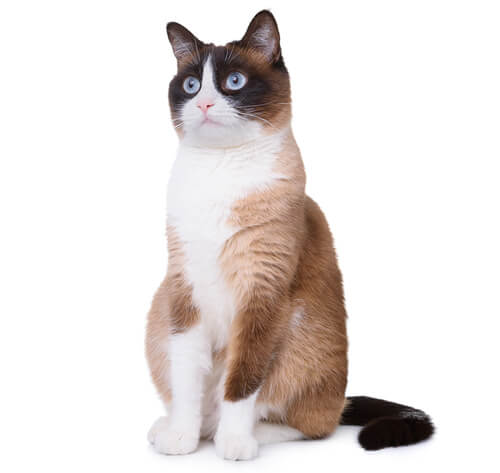
The Snowshoe cat is a medium sized breed and combines the solid heftiness of the American Shorthair with the lithe elegance of the Siamese. The head is a rounded triangle, the eyes are large and slanting and their large, pointed ears are set wide apart. Their body is long and athletic and their coat is short and glossy with the mask, ears, legs and tail much darker in colour than the body. Snowshoe cats come in blue, seal, lilac and chocolate varieties and the white areas cover less than one third of the cat. The eyes of all Snowshoe cats are a deep blue.

The need-to-know

  • Playful and curious cat
  • Sociable and dependent cat
  • Somehow talkative cat
  • Average build cat breed
  • Requires grooming once a week
  • Outdoor cat
  • Great family cat
Personality

The Snowshoe cat is an intelligent animal and loves to be around people. It is vocal but not as loud as the Siamese, talking instead in a soft melodic voice. They do need company so if you are out all day getting two litter mates may be the answer. They are playful and can be taught to fetch and do need toys and games for amusement. Snowshoe cats also enjoy water, particularly running water, and may on occasion swim. They are very active and have a fondness for perching and high places.

History and Origins

Country of Origin: USAThe Snowshoe cat came from the characteristic white paws of this breed. The Snowshoe cat is an American breed resulting from crossing Siamese with American Shorthairs during the 1960s. The Snowshoe cat has Siamese style points combined with white paws and white spotting. Snowshoe kittens are born all white and only begin to show their colours and markings after several weeks. No two kittens have the same markings. This breed is increasing in throughout America but is still rare elsewhere.

Nutrition and Feeding

Every cat is unique and each has their own particular likes, dislikes, and needs when it comes to food. However, cats are carnivores and every cat must obtain 41 different and specific nutrients from their food. The proportion of these nutrients will vary depending on age, lifestyle and overall health, so it's not surprising that a growing, energetic kitten needs a different balance of nutrients in her diet than a less active senior cat. Other considerations to bear in mind are feeding the right quantity of food to maintain 'ideal body condition' in accordance with feeding guidelines and catering to individual preference regarding wet or dry food recipes.

Other Information

Health and common issues

No common inherited problems have been identified in the breed, however the Snowshoe cat breed is not common outside the USA. As with all breeds, Snowshoe cats benefit from protection against disease through vaccination and need regular parasite control and annual veterinary health checks.

Best cat breeds for children

While this breed is not widely recognised as one of the best breeds for children, all cats are different and with the proper familiarisation may still be able to live with children.

Zoomed product photo

Singapura

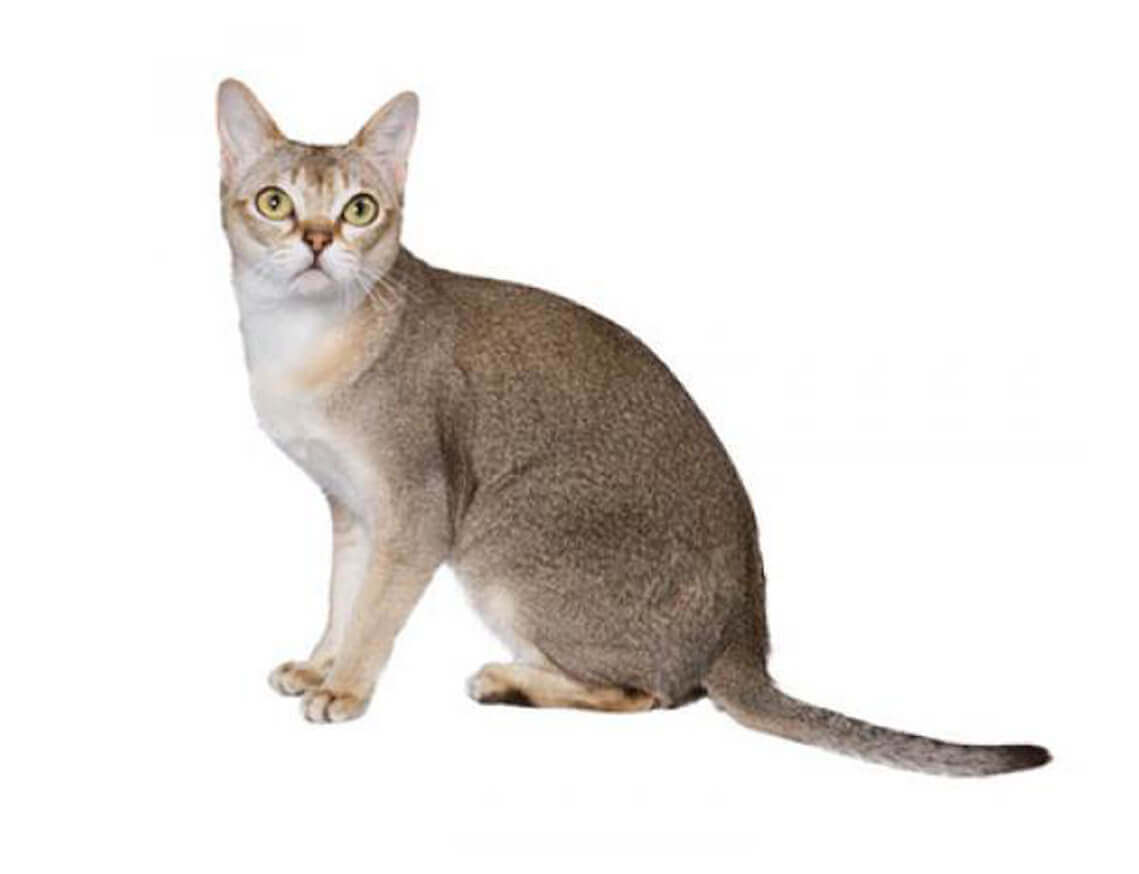
The smallest domestic cat breed, the Singapura is an extroverted, playful feline sometimes called a “pesky people cat.” This breed thrives on attention and interactive play. Called Pura for short, these cats are intelligent and keenly observant. Friendly and social, they enjoy cats and cat friendly dogs, but dislike loud noises so are not ideal for busy households with boisterous children.

DID YOU KNOW? The Singapura originated from small brown cats with ticked coats known as “drain cats” because they lived in Singapore’s storm drains. These cats fought for their share of fish on the Malaysian island’s shipping docks. Singapura is the Malaysian word for the Singapore, which means “lion city” and explains why the breed is known as “little lions of love.”

The need-to-know

  • Playful and curious cat
  • Sociable and dependent cat
  • Somehow talkative cat
  • Lean and elegant cat breed
  • Requires grooming once a week
  • Needs some out-door space
  • Great family cat
Living Considerations
 Good in multi-pet households, not hypoallergenic
Size
Small, with males weighing 2.5 to 3.5 kilograms and females weighing 2 to 3 kilograms
Coat
Short, fine, silly
Temperament
 Lively, affectionate, intelligent
Grooming
 Rarely/Never
Shedding
Yes
Vocalisation
Quiet
Personality

The Singapura cat is very affectionate and friendly but, unlike its Oriental counterparts, it has a very quiet voice and is more reserved. Singapura cats love human company and they are content to sit on their owner's knee or shoulder – they seem to love the warmth. They seem to prefer to be above the ground and will often find a position that will give them a good view such as the top of bookshelves or wardrobes. They are active, lively and always being willing to play. They learn quickly and are inquisitive and mischievous.

History and Origins

Country of Origin: Singapore

The Singapura cat originates from Singapore and its name means Lion City, the local Malay name for their island. It was known as the 'drain cat' because of its habit of sleeping in drains and living in the gutters. This is also the reason given for the cat's small stature; the Singapura cat is the world's smallest breed of cat. The Singapura cat breed is thought to have existed for about 300 years and is descended from cats from all over the world that arrived in Singapore on ships and bred with the local feral cats. The authorities considered them to be vermin and periodically culled the population. In 1974 the cull was so widespread that only three cats of the Singapura breed survived and these cats were exported to America along with a fourth found in 1980. From these four cats the recognised breed was founded. The first Singapura cat was imported into Britain in 1989 and they are now rapidly increasing in popularity.

Nutrition and Feeding

Every cat is unique and each has their own particular likes, dislikes, and needs when it comes to food. However, cats are carnivores and every cat must obtain 41 different and specific nutrients from their food. The proportion of these nutrients will vary depending on age, lifestyle and overall health, so it's not surprising that a growing, energetic kitten needs a different balance of nutrients in her diet than a less active senior cat. Other considerations to bear in mind are feeding the right quantity of food to maintain 'ideal body condition' in accordance with feeding guidelines and catering to individual preference regarding wet or dry food recipes.

Other Information

Health and common issues

At present there are no reports of problems within the breed. As with all cats, Singapuras benefit from protection against disease through vaccination and need regular parasite control and annual veterinary health checks.

Best cat breeds for children

While this breed is not widely recognised as one of the best breeds for children, all cats are different and with the proper familiarisation may still be able to live with children.

Zoomed product photo

Siberian Forest

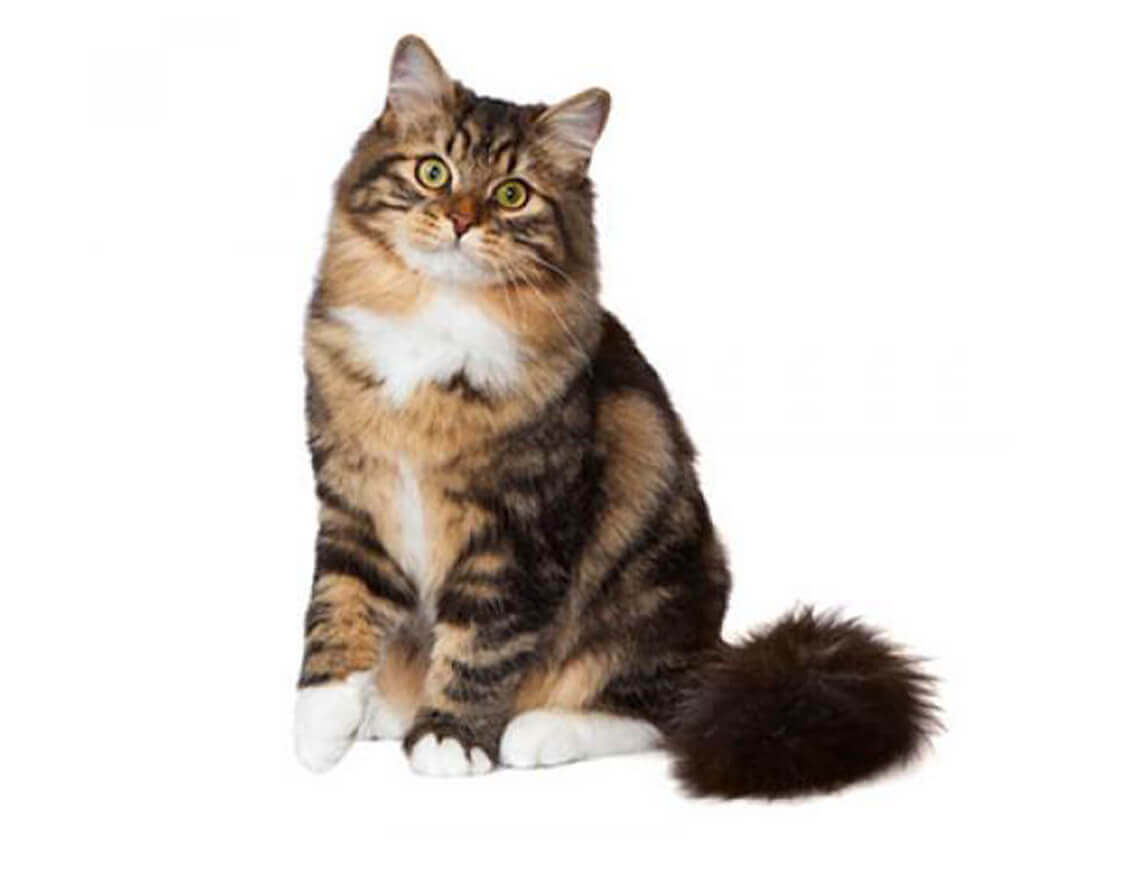
The Siberian Forest cat is a largish breed, with a muscular build and a barrel shaped torso. The coat is long and dense and the head is a modified wedge shape with rounded contours and very expressive eyes. The overall physical appearance is one of strength and power. The longer hairs of the triple coat are pale near the skin, darkening toward the outer end. This makes the coat shimmer as the cat moves. Although brown tabby is the most common colour, a Siberian Forest Cat may be any pattern or colour or combination of colours, solid lilac or solid chocolate.

The need-to-know

  • Highly active and inquisitive cat
  • Friendly but independent cat
  • Somehow talkative cat
  • Larger stockier cat breed
  • Requires grooming every day
  • Outdoor cat
  • Great family cat
Personality

The Siberian Forest cat is an affectionate pet and loves attention, so make great companions. The breed is said to be loyal, sociable and confident. Siberian Forest cats are very intelligent and seem to 'problem solve' to get what they want; they are also said to love to play in the water, water bowls and dripping kitchen sinks. They like to climb and are excellent hunters. They purr readily but also squeak and chirp. Most Siberian Forest cats will 'shimmy' their tails when they are happy.

History and Origins

Country of Origin: Russia

Other Names: : Siberian cat

The Siberian Forest cat is the national cat of Russia. This natural breed has existed in Russia for hundreds of years. There is documented history of Siberians as early as the year 1000 and it is rumoured to be the ancestor of most modern longhaired breeds. After living in the cold Russian climate for many generations, the breed has developed a hardy constitution and a dense triple fur coat that is water resistant. A few Siberian Forest cats were imported into Britain in the late 1800s but its popularity waned in favour of the heavily coated Persian. Interest in the breed is now rising again in the UK.

Nutrition and Feeding

Every cat is unique and each has their own particular likes, dislikes, and needs when it comes to food. However, cats are carnivores and every cat must obtain 41 different and specific nutrients from their food. The proportion of these nutrients will vary depending on age, lifestyle and overall health, so it's not surprising that a growing, energetic kitten needs a different balance of nutrients in her diet than a less active senior cat. Other considerations to bear in mind are feeding the right quantity of food to maintain 'ideal body condition' in accordance with feeding guidelines and catering to individual preference regarding wet or dry food recipes.

Other Information

Health and common issues

Some Siberian Forest cat lines may be prone to a heart disease called hypertrophic cardiomyopathy.

Best cat breeds for children

While this breed is not widely recognised as one of the best breeds for children, all cats are different and with the proper familiarisation may still be able to live with children.

Zoomed product photo

Siamese

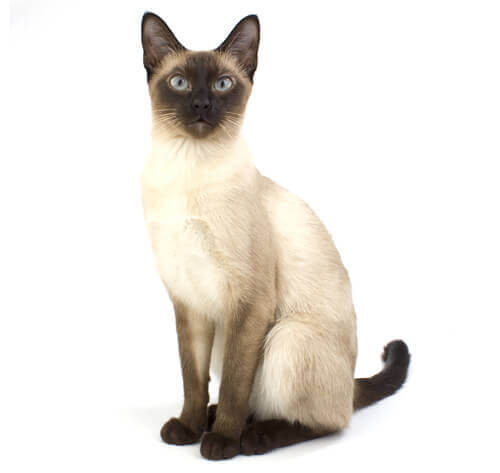
The Siamese cat is a distinctive and popular breed known for its striking appearance and vocal personality. Characterized by its sleek body, almond-shaped blue eyes, and short coat with color points on the ears, face, paws, and tail, the Siamese cat is often regarded as one of the most recognizable breeds. In Malaysia, Siamese cats are cherished for their affectionate nature and strong bond with their owners. Prices for Siamese kittens typically range from RM 1,500 to RM 4,000, depending on lineage and breeder reputation.

Siamese cats are known for their playful and social behavior, often engaging in interactive play with their families. They are highly intelligent and can be trained to perform tricks or respond to commands. Their vocalizations are also a notable trait; they are known to "talk" to their owners, expressing their needs and desires. With proper care, Siamese cats can live up to 15 years or more, providing companionship and joy throughout their lives. 

DID YOU KNOW? Perhaps the most recognized and oldest purebred cat of all time, the Siamese has been used to create many other breeds, including the Ocicat, Himalayan, Burmese, Tonkinese, Snowshoe, Oriental, and Balinese.

The need-to-know

  • Highly active and inquisitive cat
  • Sociable and dependent cat
  • Very talkative cat
  • Lean and elegant cat breed
  • Requires grooming once a week
  • Outdoor cat
  • May require familiarisation before living with children
Living Considerations
 Good in multi-pet households, not hypoallergenic
Size
Medium, with males weighing 5.5 to 7.5 kilograms and females weighing 3.5 to 5.5 kilograms
Coat
Short, fine, glossy
Temperament
 Energetic, sociable, loving
Grooming
 Rarely/Never
Shedding
Yes
Vocalisation
Loud, very talkative
Personality

Siamese cats are known for their outgoing and affectionate personalities. They are highly social and thrive on interaction with their owners, often forming strong bonds. Their playful nature makes them excellent companions for families, and they typically enjoy being involved in daily activities.

History and Origins

Country of Origin: Thailand (formerly Siam)

The Siamese breed originated in Thailand (formerly known as Siam) and has a rich history dating back several centuries. They were revered by royalty and considered sacred in ancient times. The breed gained popularity in the Western world in the 19th century when they were introduced to Europe and America.

Nutrition and Feeding

A balanced diet is essential for Siamese cats to maintain their health. High-quality cat food that meets their nutritional needs is recommended. Owners should consult with veterinarians to determine the best feeding regimen based on their age, weight, and activity level.

Exercise

Siamese cats are active and require regular exercise to stay healthy. Engaging them in interactive play sessions with toys can help keep them physically and mentally stimulated. Providing climbing structures and scratching posts can also encourage physical activity.

Other Information

Regular veterinary check-ups are crucial for Siamese cats to monitor their health and catch any potential issues early. Grooming needs are minimal due to their short coat, but regular brushing can help reduce shedding. Additionally, owners should ensure their living environment is safe and accommodating for these lively cats.

Zoomed product photo

Selkirk Rex

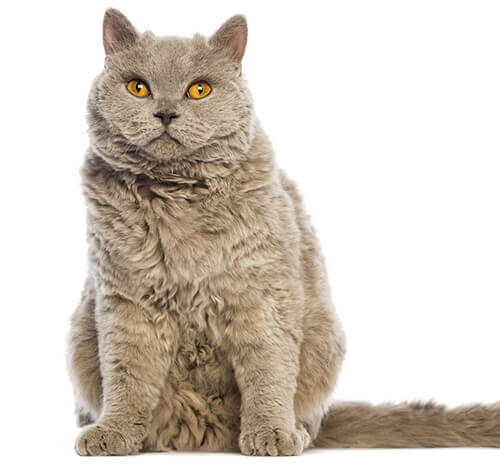
This is a medium to large cat with heavy boning that gives the cat surprising weight and an impression of power. It has a chunky build, short muzzle and a round head. Selkirk Rex cats can be long- or short-haired. All three types of coat hair - guard, awn and down hairs - are found in the Selkirk Rex cat breed and they are all wavy, giving the coat a soft feel. The curliness of the coat varies with age, gender, climate and season. In the Selkirk Rex Longhaired cat breed, the tail curls are plumy and stand out away from the tail. The ruff hairs are longer and frame the face. Selkirk Rex cats come in all coat colours and patterns.

The need-to-know

  • Playful and curious cat
  • Sociable and dependent cat
  • Somehow talkative cat
  • Average build cat breed
  • Requires grooming every day
  • Needs some out-door space
  • Great family cat
Personality

The Selkirk Rex cat has an alert and active personality with a sweet and endearing disposition. This laid back breed is happy to sit on your lap and loves to have a cuddle. It is also more than happy to play games and makes a great family pet.

History and Origins

Country of Origin: USA

Other Names: : Sheep cat

The Selkirk Rex cat breed (long hair) is named after the Selkirk Mountains in Wyoming where the first was born to a litter at an animal shelter in 1987. This kitten had an unusually curly coat. An experimental breeding programme with this cat and its offspring, found that this curly coat mutation was a dominant trait – half of all kittens had a curly coat. The trait is recessive in other rex breeds. The Selkirk Rex cat is very popular in the USA and Canada where its striking, thick, curly coat has gained it the nickname 'Sheep cat'.

Nutrition and Feeding

Every cat is unique and each has their own particular likes, dislikes, and needs when it comes to food. However, cats are carnivores and every cat must obtain 41 different and specific nutrients from their food. The proportion of these nutrients will vary depending on age, lifestyle and overall health, so it's not surprising that a growing, energetic kitten needs a different balance of nutrients in her diet than a less active senior cat. Other considerations to bear in mind are feeding the right quantity of food to maintain 'ideal body condition' in accordance with feeding guidelines and catering to individual preference regarding wet or dry food recipes.

Other Information

Health and common issues

The Selkirk Rex cat breed lives well into its teens. Some Selkirk Rex cats can suffer from hair loss. Because of input from Persian cats, the Selkirk Rex cat breed is registered with the GCCF in the UK and are tested for polycystic kidney disease which occurs mainly in Persians. As with all cats, Selkirk Rex cats need vaccinations, parasite control and regular veterinary checks to remain healthy.

Best cat breeds for children

While this breed is not widely recognised as one of the best breeds for children, all cats are different and with the proper familiarisation may still be able to live with children.

Zoomed product photo

Scottish Fold

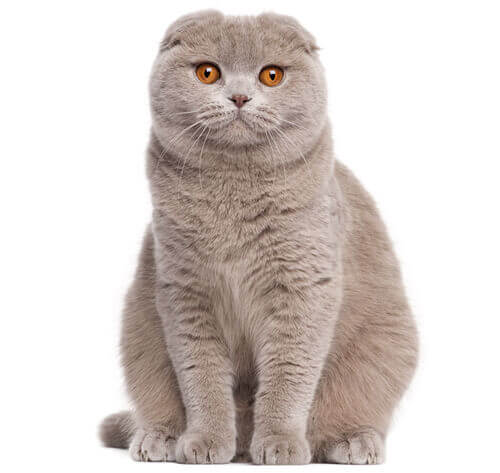
The Scottish Fold cat is a beloved breed in Malaysia, renowned for its unique folded ears and charming demeanor. These cats are known for their affectionate and calm personalities, making them ideal companions for families and individuals alike. 

However, potential owners should be aware of the breed's health concerns, particularly related to a genetic mutation known as Osteochondrodysplasic, which affects cartilage and bone development. This condition can lead to various health issues, including joint pain and degenerative diseases. As a result, responsible breeding practices are crucial, and there are ongoing discussions about the ethical implications of breeding Scottish Folds, especially in regions where they face bans.

For those considering adopting a Scottish Fold, it's essential to engage with reputable breeders or adoption agencies and to be mindful of the ongoing care, including veterinary check-ups and potential health treatments. Pet insurance options are also available to help manage medical expenses associated with this breed.


DID YOU KNOW? All Scottish Folds can be traced back to a white female barn cat with unique folded ears, named “Susie,” who was born in 1961 on a farm near Coupar Angus in the Tayside Region of Scotland.

The need-to-know

  • Playful and curious cat
  • Friendly but independent cat
  • Somehow talkative cat
  • Average build cat breed
  • Requires grooming once a week
  • Outdoor cat
  • Great family cat
Living Considerations
 Good in multi-pet households, not hypoallergenic
Size
Small to medium, with males weighing 3 to 4.5 kilograms and females weighing 2 to 3.5 kilograms
Coat
Longhair — medium-long; shorthair — medium-short, dense, plush
Temperament
 Loyal, sweet, loving
Grooming
 Weekly
Shedding
Yes
Vocalisation
Quiet
Personality

Scottish Folds are known for their friendly and sociable nature. They are affectionate, gentle, and enjoy being around people, making them excellent companions. Their easygoing temperament allows them to adapt well to various living environments, whether in a busy household or a quieter setting.

History and Origins

Country of Origin: Scotland

The Scottish Fold breed originated in Scotland in the 1960s when a cat with unique folded ears was discovered. This distinctive trait quickly gained popularity, leading to the breed's formal recognition and subsequent breeding programs. The breed's charming appearance and delightful personality have contributed to its global appeal.

Nutrition and Feeding

Proper nutrition is vital for maintaining the health of Scottish Folds. A balanced diet consisting of high-quality cat food tailored to their age and health requirements is recommended. Owners should consult with veterinarians to determine the best feeding regimen to support their specific health needs.

Exercise

While Scottish Folds are generally laid-back, they still require regular exercise to maintain a healthy weight and prevent obesity. Interactive play sessions and engaging toys can help keep them active and mentally stimulated.

Other Information

Due to their unique health needs, regular veterinary check-ups are crucial for Scottish Folds. Owners are encouraged to consider pet insurance to cover potential medical expenses related to breed-specific health issues. Additionally, grooming needs vary, with short-haired varieties requiring less frequent grooming compared to long-haired ones.