According to Allergy
UK, social behaviour has changed andon average, people are now spending around 90% of their time indoors.
This brings us into almost constant contact with many of the common things that cause us allergic reactions that live inside our homes – including mould spores, house dust mites – and of course, pet dander.
Our indoor environments are often poorly ventilated, causing humidity to rise and creating ideal conditions for mould and house dust mites to thrive in our soft furnishings and bedding.
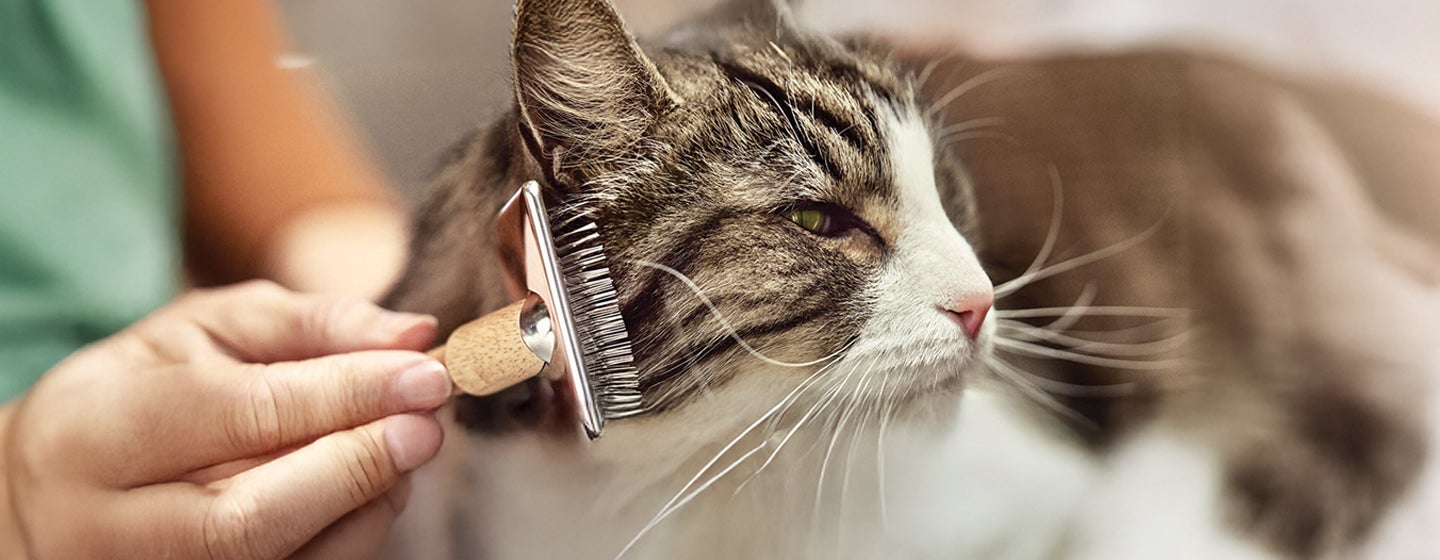
And as a nation of pet lovers, we share our homes with our cats and dogs, which add to the allergens we have to contend with in our day to day lives.
Our homes should be our sanctuary, but for 1 in 5the 10-20% of us around the world who are sensitive to cat allergens¹,3², the home environment isn't always so safe and relaxing.