Health and Common Issues
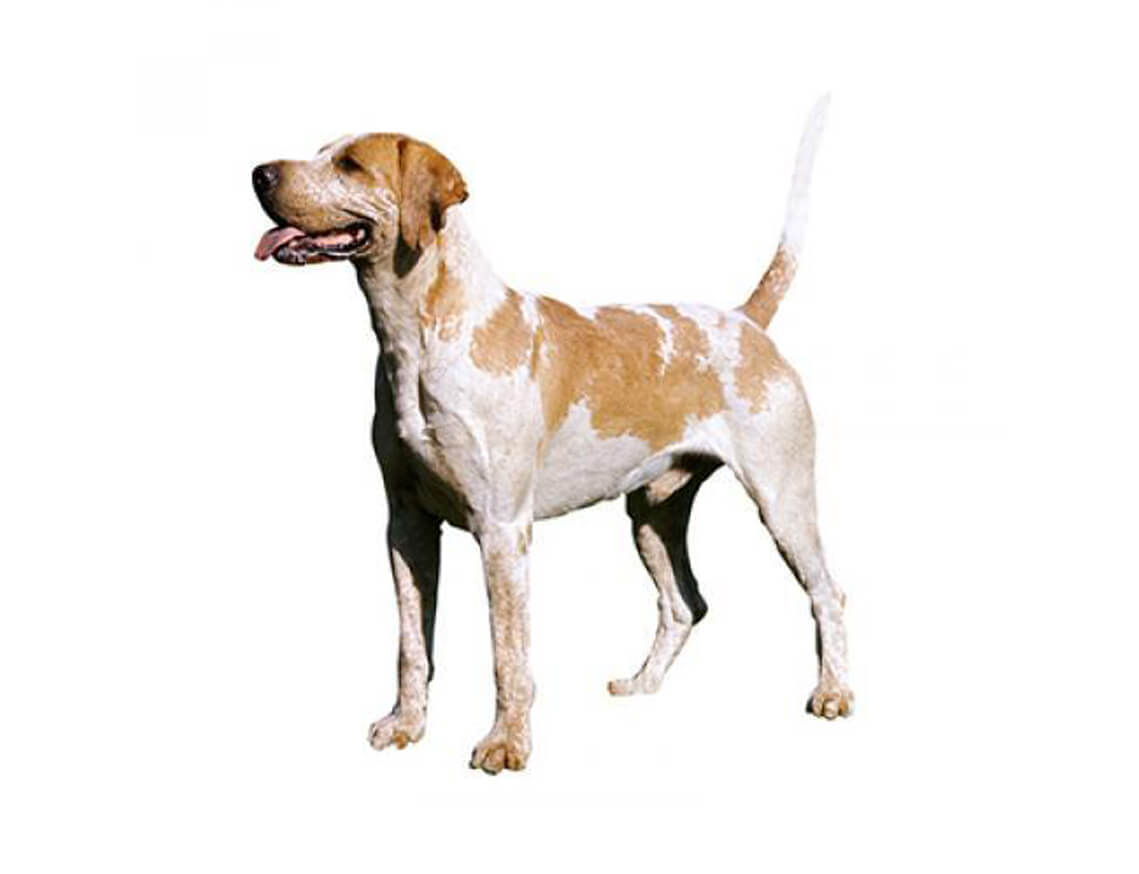
The Foxhound is a very hardy breed with few health problems commonly encountered.
Space Requirements
This is a big hound, who wants to be out and about in all weathers. A home with space to provide a Foxhound with their own room, ideally with several other Foxhounds as company, and an extremely secure garden (and never leave a Foxhound unsupervised outside, they can scale, jump or dig under fencing with ease). Suited to the countryside only, and to an owner who enjoys Cani-x, tracking, mantrailing and spending long hours retrieving their hound from muddy woodlands. Ideally an owner who does not work, as the Foxhound does not do well when left unsupervised or unoccupied!
Training Foxhounds
To train a Foxhound first you will need to understand how a Foxhound thinks. They think with their noses, and once the nose is down they follow the scent until they find their quarry. There is really no such thing as a ‘pet’ Foxhound, if you really must own one, you will need to find some form of work for your hound, every day, no matter the weather, and you must be more engaging and interesting than the surrounding environment at all times! Work on recall and dog socialising with livestock and other pets is vital but should never be relied upon for the safety of either the dog or other animals.
Best Family Dog Breeds
Although sociable and friendly when well trained, socialised and habituated to family life, the Foxhound is a big dog prone to clumsiness in small spaces. Better suited to older teens and families who do not mind a bit of knocking about by an enthusiastic hound, particularly as these dogs are happier in the company of other Foxhounds. While many dogs are traditionally thought of as being good with children, all dogs and children need to be taught to get on with each other and be safe together. Even so, dogs and young children should never be left alone together and adults should supervise all interactions between them.
Did You Know?
- The Master of Foxhounds Association is the governing body for registered packs and maintains the Foxhound Stud Book which keeps all the records of Foxhounds born into each registered pack since fox hunting began. Foxhound studs are referred to as ‘stallions’, unusual in the dog world but this is related to their close link with horses and horse breeding.
- Foxhounds briefly came to public attention with the 1981 Disney film The Fox and the Hound but despite its appeal, most people thankfully recognised it as the ultimate parable about the social pressures and expectations put on those from different groups or backgrounds to be adversaries.